Posted in Հեռավար ուսուցում, Անգլերեն

Gerund and infinitive

1. Put in the infinitive or the -ing form of the verb in brackets.

1. I was overjoyed to see you at the party.
2. The nuclear station is not likely to blow up although it may shut down.
3. Janice was sad to see such poverty when she visited India.
4. It’s possible to work all day without being disturbed.
5. You are free to leave any time you want to.
6. You should be able to practise singing every day.
7. Scientists are hoping to discover a new chemical element.
8. I don’t mind people asking me questions.
9. He works too slowly to be any use to me.
10. He can’t stand waiting for other people.
11. I guess there is no point in sitting around here any longer
12. The lemonade was cool enough for us to drink.
13. Please stop interrupting me when I am trying to explain something.
14. I’ve forgotten to buy flowers for my girlfriend’s birthday.
15. I simply can’t afford to waste time trying to explain this to you.
16. The thief admitted entering the house but says he didn’t take anything.
17. I don’t really fancy spending my holidays in Spain.
18. I apologised to her but she refused accepting it.
19. He offered to help me to repair my motorcycle.
20. Why does John keep writing to you?

2. Complete the sentences with either the infinitive or -ing form.

1. It is difficult to find a place to park in this town.
2. Peter prefers driving rather than travelling by train.
3. It’s time to clean this kitchen.
4. She was sitting in her armchair watching television.
5. I can’t help falling in love with you.
6. I’ve given up trying to communicate with John.
7. There is no point to spend too long on the individual questions.
8. She used to say she would return to her job when the children grew up.
9. If you put off explaining it to her, then it will only become worse.
10. Many dream of winning the lottery so that they never have to work again.

3. Complete the report by putting the verbs in the correct form, using ing or to.

Swimmer abandons Channel swim
James Forsyth has decided to abandon his second attempt at
swiming the English Channel after breaking his ankle in a
cycling accident. His decision to postpone this attempt came after a two
week holiday mountainbiking in Majorca with his wife. His first attempt
was also unsuccessful and he is unlikely to be back training for quite a few
months. He said in a recent interview that he had not yet decided whether to try one more time, but denies losing total interest in
the project. ‘I am raising money for a local charity’ he explained. He
continued by saying that if he could manage to find theime, he would do a lot more charity work.

Posted in Հեռավար ուսուցում, Անգլերեն

Exercises

C: Complete the sentences using the past perfect or the past perfect continuous.
1. By the time I got home they had eaten all the cake.

2. The room was very smoky. I could tell that my brother had been smoking in there all afternoon.

3. She retired at fifty-five, but she had been working hard all her life.

4. James was very irritable. He had been looking for his contact lens for an hour and he still hadn’t found it!

5. I was furious with Tom when he arrived. I had been waiting for him for hours.

6. Harry was sad to sell his car. He had had it for a long time.

7. Mary was covered in white paint. She had been decorating the kitchen all afternoon.

8. Lucy went into the sitting room. The TV was on. Her brother had been watching it and had forgotten to switch it off.

9. Hattie felt terribly sick. She had eaten too many cream cakes.

10. The journey was incredibly long. We had been traveling for ten hours and we weren’t even half way yet.

Posted in Անգլերեն

Money

I imagine my life without money because the world is managing money right now. I can personally, and I can’t say about others. For me, life without money is my vision. I wish all people would be If there was no money everywhere, and no one knew about it, life in the world would be brighter and free of battles.

Posted in Անգլերեն

English

  • They watched TV from 7.00 to 9.00. I arrived at 7: 30. When I arrived, they were watching TV.
  • When she phoned him, he had left the office.
  • The exam didn’t go well although I had studied the night before.
  • When he was cycling to work this morning, he had an accident.
  • When he passed his driving test, he had only had five lessons.
  • A. How did the accident happen?
    B. He was driving back from Manchester when he hit a tree.
  • I had already started cooking the meal, when they called me to say they couldn’t come.
  • When I got home I was really tired, so I had a shower and went to bed.
  • I arrived too late. The concert had finished and my friends had gone home.
  • The driver lost control of his car, because he was talking on his mobile.
Posted in Անգլերեն

English homework

Exercise

1a exercise

1)They always have breakfast in bed on a Sunday morning. 2)She is having a shower. 3)We need an answer from you before Wednesday. 4)I study a lot now , because i have exams next week. 5)She doesn’t eat meat at all. 6)They always late. 7)Are you going to go out tonight? 8)He never replys to my emails. 9)Are you going to the park this afternoon? I don’t know. It depends on the weather.

1b excersize

  1. Where are you going to have lunck today?
  2. What does he do?
  3. Are you going to go away this weekend?
  4. Do you want to eat out tonight?
  5. What does she cook?

Vocabulary food

homemadespicy, fish, frozen, takeway, low-fat, raw, sweet

Food Habits

Here are some ways to make healthy changes in your eating habits:

  • Keep more fruits, low-fat dairy products (low-fat milk and low-fat yogurt), vegetables, and whole-grain foods at home and at work. Focus on adding healthy food to your diet, rather than just taking unhealthy foods away.
  • Try to eat a family meal every day at the kitchen or dining table. This will help you focus on eating healthy meals.
  • Buy a healthy-recipe book, and cook for yourself. Chew gum when you cook so you won’t be tempted to snack on the ingredients.
  • Pack a healthy lunch and snacks for work. This lets you have more control over what you eat.
  • Put your snacks on a plate instead of eating from the package. This helps you control how much you eat.
  • Don’t skip or delay meals, and be sure to schedule your snacks. If you ignore your feelings of hunger, you may end up eating too much or choosing an unhealthy snack. If you often feel too hungry, it can cause you to focus a lot on food.
  • Eat your meals with others when you can. Relax and enjoy your meals, and don’t eat too fast. Try to make healthy eating a pleasure, not a chore.
  • Drink water instead of high-sugar drinks (including high-sugar juice drinks).
Posted in Անգլերեն

Անգլերեն

The story of Cambridge University begins in 1209 when several hundred students arrived in the little town of Cambridge after having walked 60 miles from Oxford. These students were all churchmen and had been studying in Oxford at that city’s well-known schools. It was a hard life at Oxford for there was constant trouble, even fighting, between the citizens of the town and the students. Then one day a student accidentally killed a man of the town. The Mayor arrested three other students who were innocent and they were put to death. In protest, many students left Oxford, some of them went to Cambridge. And so the new University began.

It was Cambridge University. Of course, there were no Colleges in those early days and student life was very different from what it is now. Students were of all ages and came from anywhere and everywhere. Life in University was strict. Students were forbidden to play games, to sing (except sacred music), to hunt or fish or even to dance. Books were very rare and all the lessons were in the Latin language which students were supposed to speak even among themselves.

In 1440, King Henry VI founded King’s College, and other colleges followed.

Nowadays there are more than 30 different colleges, including five for women students and several mixed colleges, in the University. The number of students in colleges is different: from 30 to 400 or 500.

The training course lasts 4 years. The academic year is divided into 3 terms. The students study natural and technical sciences, law, history, languages, geography, medicine, economics, agriculture, music and many other subjects. After 3 years of study a student may proceed to a Bachelor’s degree, and later to the degrees of Master and Doctor.

There are many ancient traditions that are still observed at Cambridge. Students are required to wear gowns at lectures, in the University library, in the street in the evening, for dinners in the colleges and for official visits. One more tradition is to use Latin during public ceremonies of awarding degrees

.
All the students must pay for their education, examinations, books, laboratories, university hostel, the use of libraries. The cost is high. It depends on college and university speciality. Very few students get grants.

Many great men studied at Cambridge, for example, Bacon (the philosopher), Milton and Byron (the poets), Cromwell (the soldier), Newton (the outstanding physicist), Darwin (who is famous for his theory of evolution) and Kapitsa (the famous Russian physicist).C

Դա Քեմբրիջի համալսարանն էր: Իհարկե, այդ վաղ օրերին Քոլեջներ չկային, և ուսանողական կյանքը շատ տարբերվում էր այժմից: Ուսանողները բոլոր տարիքի էին և գալիս էին ցանկացած վայրից և ամենուր: Համալսարանում կյանքը խիստ էր: Ուսանողներին արգելվում էր խաղեր խաղալ, երգել (բացառությամբ սուրբ երաժշտության), որս կամ ձուկ կամ նույնիսկ պարել: Գրքերը շատ հազվադեպ էին, և բոլոր դասերը լատիներեն լեզվով էին, որոնք ուսանողները պետք է խոսեին նույնիսկ իրենց միջև:

1440-ին թագավոր Հենրի VI- ն ստեղծեց Քինգի քոլեջը, և հետևեցին այլ քոլեջներ:

Այժմ Համալսարանում գործում է ավելի քան 30 տարբեր քոլեջ, այդ թվում `հինգ ուսանող կին և մի քանի խառը քոլեջների: Քոլեջներում ուսանողների թիվը տարբեր է ՝ 30-ից 400 կամ 500:

Դասընթացի դասընթացը տևում է 4 տարի: Ուսումնական տարին բաժանվում է 3 ժամկետի: Ուսանողները սովորում են բնական և տեխնիկական գիտություններ, իրավաբանություն, պատմություն, լեզուներ, աշխարհագրություն, բժշկություն, տնտեսագիտություն, գյուղատնտեսություն, երաժշտություն և շատ այլ առարկաներ: 3 տարի սովորելուց հետո ուսանողը կարող է անցնել բակալավրի, իսկ ավելի ուշ ՝ մագիստրոսի և դոկտորի աստիճաններ:

Կան բազմաթիվ հնագույն ավանդույթներ, որոնք մինչ այժմ նկատվում են Քեմբրիջում: Ուսանողներից պահանջվում է զգեստներ հագնել դասախոսությունների, համալսարանական գրադարանի, երեկոյան փողոցում, քոլեջներում ընթրիքների և պաշտոնական այցերի համար: Եվս մեկ ավանդույթ `լատիներեն օգտագործելն աստիճանների շնորհման պետական ​​արարողությունների ժամանակ:
Բոլոր ուսանողները պետք է վճարեն իրենց կրթության, քննությունների, գրքերի, լաբորատորիաների, համալսարանի հանրակացարանի, գրադարանների օգտագործման համար: Արժեքը բարձր է: Դա կախված է քոլեջի և համալսարանի մասնագիտությունից: Շատ քչերն են դրամաշնորհներ ստանում:

Քեմբրիջում սովորում էին շատ մեծ տղամարդիկ, օրինակ ՝ Բեկոնը (փիլիսոփա), Միլթոնը և Բայրոնը (բանաստեղծները), Քրոմվելը (զինվորը), Նյուտոնը (ականավոր ֆիզիկոս), Դարվինը (որը հայտնի է իր էվոլյուցիայի տեսությամբ) և Կապիցան: (հայտնի ռուս ֆիզիկոս) .Գ

Posted in Անգլերեն

Անգլերեն֊(հաշվետվություն)

Նոյեմբեր ամսվա ընթացքում «Laughter is the best medicine» տեքստն ենք վերլուծել և հարցերի ենք պատասխանել ։

Կարդացել ենք փոքրիկ հումորային և ինֆորմատիվ տեքստեր և կատարել առաջադրանքներ։

Գրել ենք շարադրություն մեր աշնանային արձակուրդներ մասին ։

Ֆիլմերի դիտում ենք ունեցել։

Հոկտեմբեր ամսվա ընթացքոււմ ուսումնասիրել են Հելոուին տոնը, ֆիլմի դիտում ենք ունեցել։ Կարդացել ենք «Boston tea party» տեքստը ,  տեղեկություններ ենք հավաքել այդ թեմայի շուրջ։

Կատարել ենք շատ քերականական առաջադրանքներ։

Ուսումնասիրել ենք նկարիչ Միքելանջելոյի կյանքը։

Դեկտեմբերին- Գրել ենք շարադրանք ձմեռային արձակուրդների մասին։

Posted in Անգլերեն

Definitions.

1.Leisure – free or unoccupied time

Entertainment – something that serves for amusement

Opportunity – a favorable position or chance

Occupation – a job or profession

2.Calm – not excited, nervous, or troubled

Intelligent – able to think, understand, and learn things quickly and well

Brave – willing to do things which are difficult or dangerous

Independent – free from outside control

3.Miniature – a model or copy of something on a very small scale

Signature – a name of a person or a sign representing his name, marked by himself

Adventure – an exciting or dangerous experience

Gesture – a movement of part of the body to express an idea or meaning

4.Tornado – a violent storm with very strong winds

Flood – an overflow of a large amount of water beyond its normal limits

Snowstorm – a heavy fall of snow, especially with a high wind

Breeze – a gentle wind

5.Request – an act of asking formally or politely for something

Refusal – an act of saying ‘no’ to an invitation, offer, etc.

Advice – a suggestion about what somebody should do in a particular situation

Response – a spoken or written answer

6.Service – the action of helping or doing work for someone

Catalog – a book that contains pictures of things that are on sale

Brand – a product or group of products that has its own name

Purchase – something that you buy

7.Lie – a statement that is not true

Compliment – a polite expression of praise or admiration

Flattery – a false insincere praise

Prize – an award given to the winner

8.Contract – a written legal agreement between two people or organizations

Quarrel – an angry argument

Discussion – the process of talking something over

Trial – hearing and judging a person or case in a court

9.Conversation – an informal talk between people

Exclamation – an emphatic or excited cry

Utterance – the act or process of speaking or expressing in words

Argument – an exchange of opposite views, typically an angry one

10.Ordinary – of common or established type, usual

Strange – odd, unusual, or extraordinary

Human – relating to or characterizing people

Hostile – showing strong dislike

11.Match – a game in which individuals or teams compete

Situation – a set of circumstances

Incident – an event or occurrence

Performance – an act of presenting a play, concert, etc.

Posted in Նախագծային աշխատանք, Անգլերեն

Harry Potter.

This article is about the series of novels. For other uses, including related topics and derivative works, see Harry Potter (disambiguation). For the character in the series, see Harry Potter (character). For the film adaptations, see Harry Potter (film series). For the franchise as a whole, see Wizarding World.

The Philosopher’s Stone (1997)The Chamber of Secrets (1998)The Prisoner of Azkaban (1999)The Goblet of Fire (2000)The Order of the Phoenix (2003)The Half-Blood Prince (2005)The Deathly Hallows (2007)
AuthorJ. K. Rowling
CountryUnited Kingdom
LanguageEnglish
GenreFantasydramayoung adult fictionmysterythrillerBildungsroman
PublisherBloomsbury Publishing (UK)
Pottermore (e-books; all languages)
Published26 June 1997 – 21 July 2007 (initial publication)
Media typePrint (hardback & paperback)
Audiobook
E-book (as of March 2012)
No. of books7
Website

Harry Potter is a series of fantasy novels written by British author J. K. Rowling. The novels chronicle the lives of a young wizard, Harry Potter, and his friends Hermione Granger and Ron Weasley, all of whom are students at Hogwarts School of Witchcraft and Wizardry. The main story arc concerns Harry’s struggle against Lord Voldemort, a dark wizard who intends to become immortal, overthrow the wizard governing body known as the Ministry of Magic and subjugate all wizards and Muggles (non-magical people).

Since the release of the first novel, Harry Potter and the Philosopher’s Stone, on 26 June 1997, the books have found immense popularity, critical acclaim and commercial success worldwide. They have attracted a wide adult audience as well as younger readers and are often considered cornerstones of modern young adult literature. As of February 2018, the books have sold more than 500 million copies worldwide, making them the best-selling book series in history, and have been translated into eighty languages.The last four books consecutively set records as the fastest-selling books in history, with the final instalment selling roughly eleven million copies in the United States within twenty-four hours of its release.

The series was originally published in English by two major publishers, Bloomsbury in the United Kingdom and Scholastic Press in the United States. A play, Harry Potter and the Cursed Child, based on a story co-written by Rowling, premiered in London on 30 July 2016 at the Palace Theatre, and its script was published by Little, Brown. The original seven books were adapted into an eight-part namesake film series by Warner Bros. Pictures, which is the third highest-grossing film series of all time as of February 2018. In 2016, the total value of the Harry Potter franchise was estimated at $25 billion,making Harry Potter one of the highest-grossing media franchises of all time.

A series of many genres, including fantasy, drama, coming of age, and the British school story (which includes elements of mystery, thriller, adventure, horror, and romance), the world of Harry Potter explores numerous themes and includes many cultural meanings and references.According to Rowling, the main theme is death.Other major themes in the series include prejudice, corruption, and madness.

The success of the books and films has allowed the Harry Potter franchise to expand with numerous derivative works, a travelling exhibition that premiered in Chicago in 2009, a studio tour in London that opened in 2012, a digital platform on which J.K. Rowling updates the series with new information and insight, and a pentalogy of spin-off films premiering in November 2016 with Fantastic Beasts and Where to Find Them, among many other developments. Most recently, themed attractions, collectively known as The Wizarding World of Harry Potter, have been built at several Universal Parks & Resorts amusement parks around the world.

Картинки по запросу harry potter
Posted in Անգլերեն

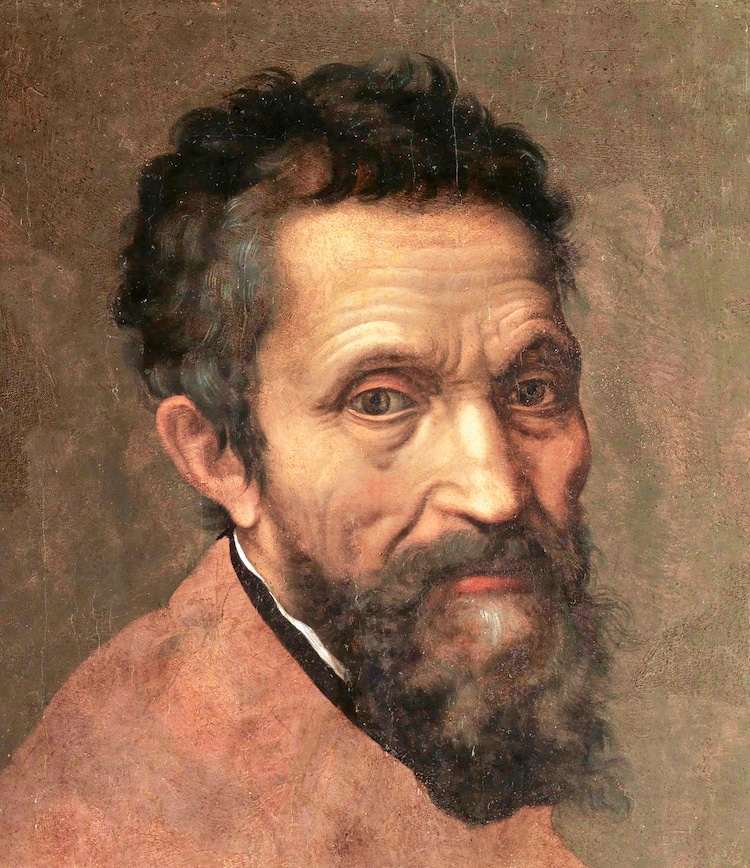
Michelangelo

Image result for michelangelo

Michelangelo was an Italian sculptor, painter and architect. He was born in the Republic of Florence. A number of Michelangelo’s works of painting, sculpture and architecture rank among the most famous in existence. He sculpted two of his best-known works, the Pietà and David, before the age of thirty. 

A lot is known about Michelangelo’s life because he left many letters, poems and journals. Michelangelo was the first Western artist whose biography was published while he was alive. In fact, two biographies were published during his lifetime.  His biographer, Giorgio Vasari, said that he was the greatest artist of the Renaissance.


In 1546, when Michelangelo was his seventies, he was given one of his most important jobs.  The old St Peter’s Basilica had been partly demolished and a new one designed by Bramante. Michelangelo was made the architect. He immediately improved the plan, had important parts made much stronger, and designed a huge dome, taller than any other dome in the world. He died before it was completed, but he left drawings and models so that the next architect, Giacomo della Porta, could finish what he had started. The dome of St. Peter’s Basilica still stands as one of the greatest monuments of Christianity, and as a symbol of the city of Rome. 

Posted in Անգլերեն

Boston tea party

The Boston Tea Party was a political protest that occurred on December 16, 1773, at Griffin’s Wharf in Boston, Massachusetts. American colonists, frustrated and angry at Britain for imposing “taxation without representation,” dumped 342 chests of tea, imported by the British East India Company into the harbor. The event was the first major act of defiance to British rule over the colonists. It showed Great Britain that Americans wouldn’t take taxation and tyranny sitting down, and rallied American patriots across the 13 colonies to fight for independence

In the 1760s, Britain was deep in debt, so British Parliament imposed a series of taxes on American colonists to help pay those debts. Though lead by Samuel Adams and his Sons of Liberty and organized by John Hancock, the names of many of those involved in the Boston Tea Party remain unknown.

Britain eventually repealed the taxes it had imposed on the colonists except the tea tax. It wasn’t about to give up tax revenue on the nearly 1.2 million pounds of tea the colonists drank each year.

In protest, the colonists boycotted tea sold by British East India Company and smuggled in Dutch tea, leaving British East India Company with millions of pounds of surplus tea and facing bankruptcy.

Museum

The Boston Tea Party Museum is located on the Congress Street Bridge in Boston. It features reenactments, a documentary, and a number of interactive exhibits. The museum features two replica ships of the period, Eleanor and Beaver. Additionally, the museum possesses one of two known tea chests from the original event, part of its permanent collection.

Картинки по запросу Boston tea party


Картинки по запросу tea
Картинки по запросу թեյի խոտեր
Posted in Անգլերեն

English,Homework…

Fun and games

Topic vocabulary

Beat, board game, captain, challenge, champion, cheat, classical music, club, coach, competition, concert, defeat, entertaining, folk music, group, gym, have fun, interest, member, opponent, organise, pleasure, referee, rhythm, risk, score, support, team, train, video game.

Phrasal verbs

  • Carry on=continue, go on, keep on.
  • Eat out= eat at a restaurant
  • Give up= stop doing something you do regularly
  • Join in= take part in, participate in
  • Send off= make a player leave a game
  • Take up= start(hobby, sport…)
  • Turn down= lower the volume of
  • Turn up= increase the volume of

Preposition phrases

  • For a long time
  • For fun
  • In the middle(of)
  • In time (for)
  • On the Internet
  • On CD/DVD/video
  • On stage
  • To show off

Word formation

  • Act-action, ( in) active, actor
  • Athlete-athletic(s)
  • Child- children, childhood
  • Collect- collection, collector
  • Entertain-entertainment
  • Hero- heroic, heroine
  • Music- musical, musician
  • Play- player, playful
  • Sail-sailing, sailor
  • Sing- sang, sung, song, singer, singing,

Word patters

Adjectives (to be +…)

  • Bored with
  • Crazy about
  • Good at
  • Interested in
  • Keep on
  • Popular with

Verbs

  • Feel like
  • Listen to
  • Take part in

Nouns

  • A book (by somebody) about ( something)
  • A fan of
  • A game against
  1. If he wins this match, he will be the world …!
  2. I am sorry, but you have to be a … of the golf club to play here.
  3. My … was a brilliant player and I didn’t manage to win the match.
  4. I’m thinking of going a … to get mor exercise.
  5. Our basketball … said that I can play on Saturday!
  6. Tom is really good at cards. He would never … !
  7. Lisa’s … has just reached number one with their new song!
  8. The … blew whistle and the game started.
  9. Which team do you …?
  10. I took a big … by doing the parachute jump, but I loved every second of it!
  11. Mark’ s band play traditional … music-they often perform at country fairs and festivals.